Rockin’ Sober
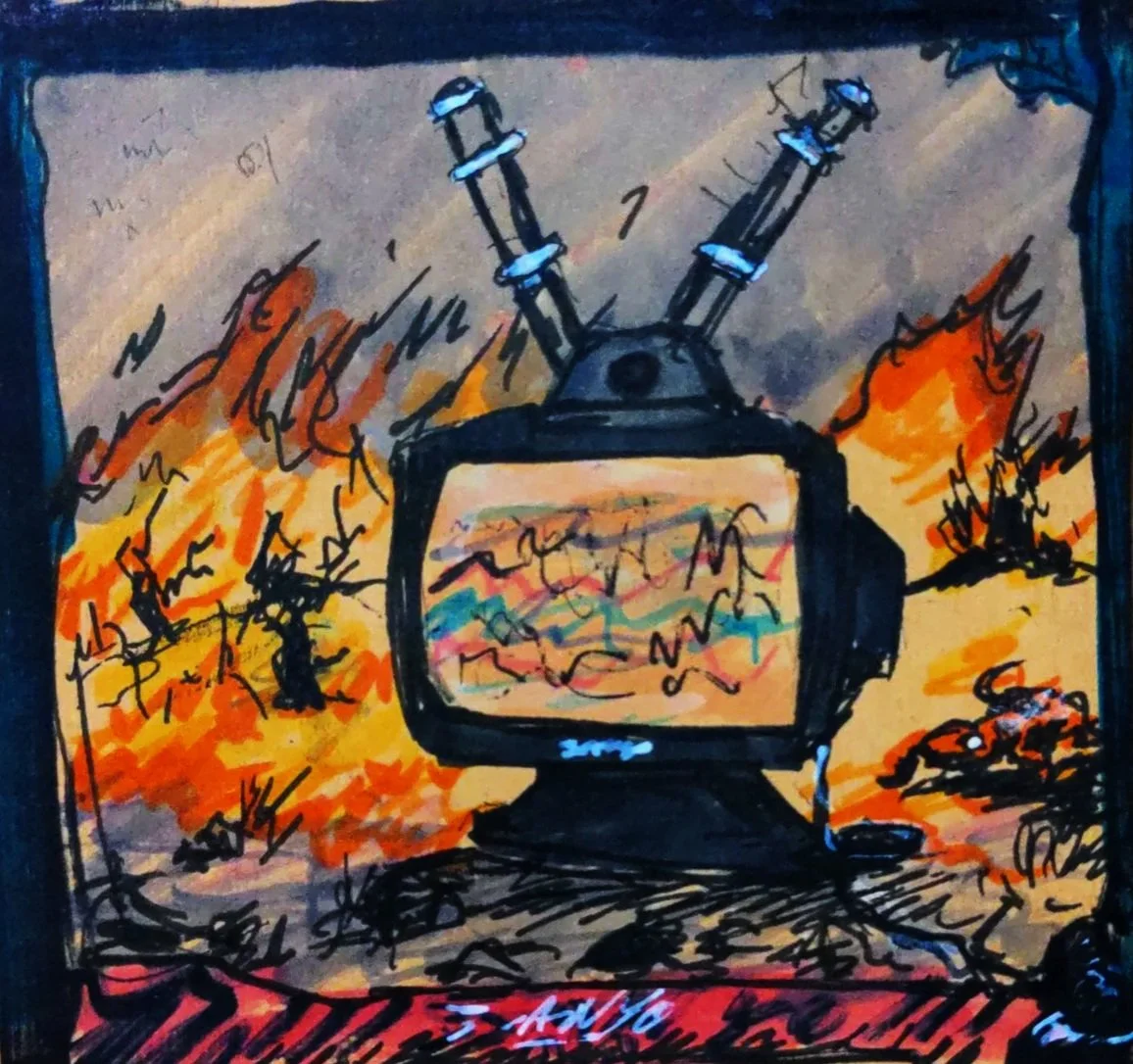
Riki Rachtman, the famous former host of MTVs Headbangers Ball, is as it turns out, sober for 37 years and counting. (Search it yourself, he elaborates on his fb page, and i don’t link to Zuckerbergs anti-human hypersurveillance mind-control crap).
Drug and Alcohol Free. Riki was a man of his time, but also ahead of his time, considering the current revival of sobriety in the world.
This puts the beginning of his sober streak at the height of his management of LAs famous Cathouse Nightclub, which he ran with Faster Pussycat’s Taime Downe, and which was regular hangout of Guns N’ Roses during their early years.
It’s quite incredible to think that a man who was in the very epicentre of rock’n’roll hedonism and who hung out with all the major players, interviewed them and engaging in all sorts of on-screen hijinks could maintain such a streak. But there it is. Here’s hoping he can keep it up.
You don’t need to do drugs and alcohol to be creative. Often it hinders you and holds you back from being your best and puts you in an early grave. Among the people that Riki interviewed and hung out with are people who came to an early end as a result of such substances, as well as many more who are still alive and touring, often because they also learned to limit or completely cut-out alcohol and drugs. At the time that Grunge emerged it was Metalheads who were considered to be the self-destructive hedonists and yet they have tended to be the better survivors over the years. Riki had a front-row seat for that, via a disasterous interview with a highly inebriated, smug and cross-dressed Kurt Cobain, who was passed out in the dressing room beforehand and whom he had to kick awake.
Looking back at those times from over three decades ago, and observing whos still alive, and whos fallen by the wayside (and how they did so), and knowing that alot of this music was the music of my youth (So I’ve always read deeply into the people behind the music), causes me to observe that cutting out the poisons and self-abuse requires other things: Self-belief, self-worth, a sense of higher purpose, inner-balance, persistence, and respect and decency toward yourself and others. An awareness that you don’t need the substances to define you and allow you to operate. When people say a belief in God helps, I believe that too. A belief in a higher power and a spiritual belief system helps to structure your life and position you in time and space. If you can’t find a church you like, do some reading of your own, which is what I did. If you can find someone to talk about that with, even better. That’s the start of a spiritual community, which is basically what a church congregation is. (or cult… if you are really that cynical. If you think you are going too culty, keep in touch with the broader mainstream somehow and choose from the array of established religions, and don’t pick one that tells you to change your name and cut off the people you care about).
Am I saying you need to be teetotal? No. I enjoy an occasional social drink. I’ll have a coffee everyday, and thats technically some kind of stimulant. Some people smoke or do pot and maintain that it is beneficial for them or helps them manage, and it can be argued that fitness frenzies can become a compulsion too. Certain over-the counter medications help allow people to live an easier life, though they can also become addictions. Anything can be an addiction and we all want to get some kind of mental or physical stimulation in our lives, or need at some point some assistance to suppress bodily pain and oveercome difficulties (even if thats a hayfever tablet or a panadol). The point is whether what you do helps you live your best life or is dominating or destroying you.
Anyway, as a postscript, this is an interesting vid: The day they killed the Headbangers Ball, which gives a good overview of its position in the 80s/early-90s cultural landscape.
The show ended abruptly in 1995. I wasn’t even a regular fan of hard-rock/heavy metal until the early 00s. And as far as I know Headbangers Ball wasn’t much of a thing in Australia. Not many people had cable TV as it was a bit of a luxury. So the culture bled through via late-night radio shows, tape and cd trading, tours and local scenes, a couple of dedicated music stores and the odd genre shelf hidden in some dingy corner of a larger outlet. Somehow the scattering only enhanced the genre, not killed it. People will go looking for what is difficult to find.