Marinetti And Futurism: Making Headlines in 1909
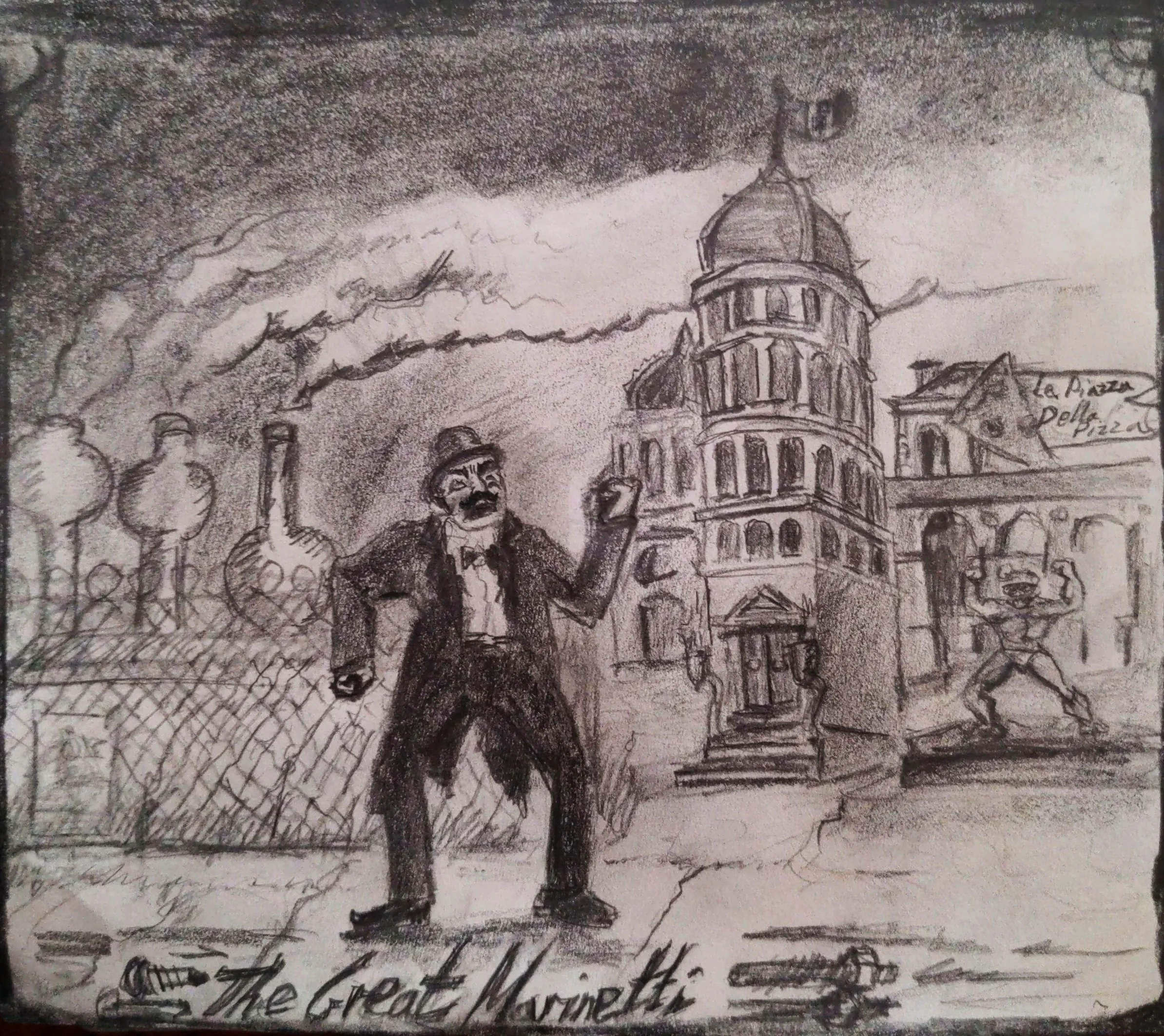
At some point on my op-shop raiding of recent times I picked up a copy of the Futurist Manifestos. I studied the Italian Futurist movement in uni so it was a trip down memory lane and for the $4.50 or whatever it was I just couldn’t pass it up.
Reading it now, I wonder how it would be broadcast and perceived in the modern age. Perhaps as the online ramblings of an autist and his mates. Which is harsh I feel, because they really are quite inspired and moving.
Filipo Tomasso Marinetti famously got his original manifesto published on the front page of the French newspaper Le Figaro on 20th February 1909. It remains possibly that newspaper’s most famous edition in their 200 odd years of existence. It seems Filipo had connections with the paper’s editor somehow and knew a thing or two about savvy marketing and maximising exposure. He wanted to make a splash and picked his target deliberately, having trialled earlier publications in some regional Italian newspapers. But the French were the big fromages of world culture in those days and to get the attention of their tastemaker was the surest way to get your thing known around the world. It’d be like a Kardashian or Kanye spruiking your product on instagram today.
Le Figaro was seen as the voice of France’s 19th century conservative (ie Royalist) establishment, who managed to hold a high degree of aristocratic power despite the revolutions and beheadings etc. But Marinetti was making a cultural play. He was a passionate Italian patriot and saw the inheritance of the Rennaisance and the classical European artistic tradition as a stifling inhibitor on the cultural expression of the living and the future.
The paintings his posse produced have been sneered and meh’d at over the decades, I think some of them are pretty daring and cool. I don’t know if he could’ve foreseen the PR damage that the world wars would cause on his movement and his writings, and I don’t hold him responsible for anything frankly. As long as the left hate him that’s fine by me, and really the most important arbitrator of quality at this point.
Marinetti favoured the ideas and expressions of fellow contemporary creatives. Some of the aesthetics he decried never died for good, or bounced back in some way. Some of the new innovations he foresaw have been disasterous and backtracked upon. Theres a whole passage he did proclaiming food-in-pill-form as the way of the future. The manifesto on music is a head-bender considering it predated almost every major musical innovation of the 20th century, most of which was accomplished by people who probably never read any of his work nor even knew who he was. Then there’s the really edgelord stuff: all the parts extolling the virtues of war (eg: as “the worlds only hygene”) etc, the manifesto on lust, proclaiming a racing motorcar to be more beautiful than the Winged Victory of Samothrace, the exuberant recollection of a car crash Marinetti survived that inspired the manifestos etc (he swerved into a ditch to avoid some cyclists, joyriding with some mates after apparently having “a wild night drinking and arguing about art”. The car was a Fiat Cabriolet, and you can see it in this link).
But generally I like and respect the guy. He doesn’t really deserve any scorn thrown his way. He loved his country, loved his people and wanted them to be able to establish their identity into the future. That’s the way I saw him. Yeah he was a fascist, so what. In fact, that’s probably the funnest thing about him. Go eat a bag of dicks lefties.
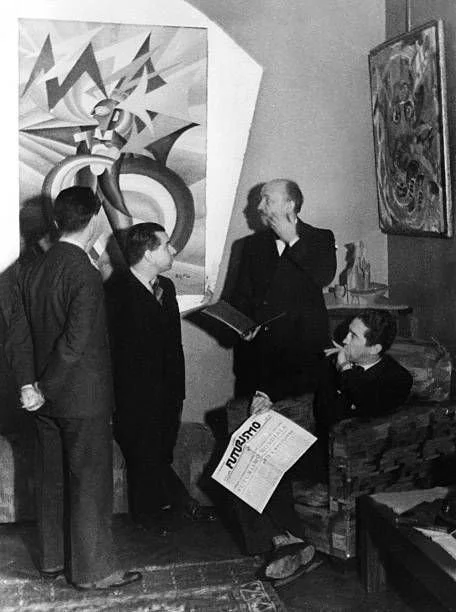
The gang at work, deliberating the way forward for 20th century culture. Source: Getty images
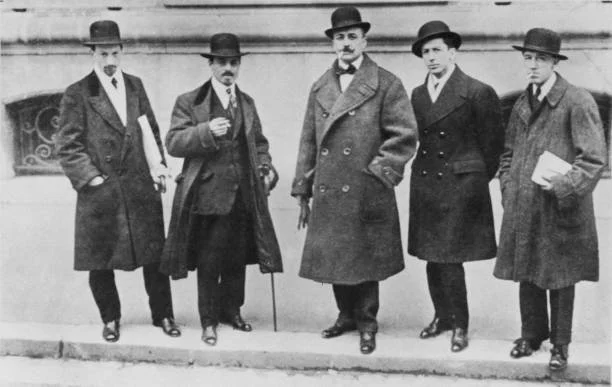
From the same Getty images archive. Everyone always likes this photo of the Futurist posse. Just something about those dapper long coats. When is early-1910s fashion making a comeback. I need to get myself a monacle, cane and bowler hat too.
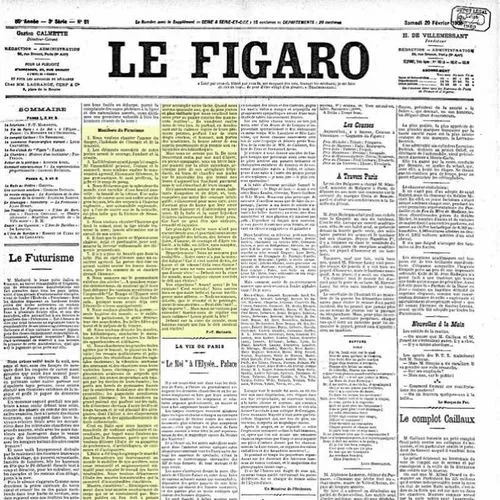
Le Figaro, 20th February 1909. The original Futurist Manifesto appeared on the front page. Marinetti and the Futurists would write a number of manifestos over the next few years on a range of topics, centred on rejecting past conventions and embracing technological change. But their primary focus was in the world of painting and the visual arts. You could also call them quite virile and macho in their prose. Ultimately WW1 would blow a lot of steam out of the movement, though Marinetti and a couple of others would continue to take part in Italys interar cultural and political scene.

Marinetti as he appears on the manifesto’s wikipedia page. That’s the face of a resolute man. He and the futurists were all natonalists and extolled the virtues of war. Marinetti and a few of the others served in WW1.
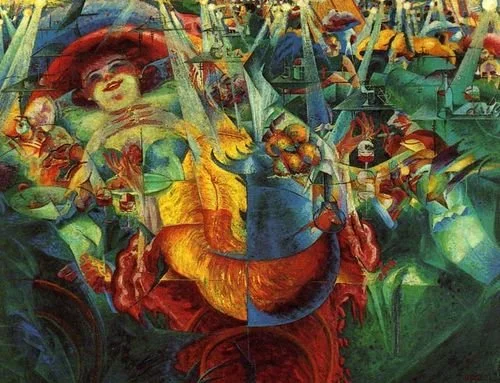
“The Laugh” by Umberto Boccioni. Any discussion about the Futurist Manifestos or Marinetti inevitably leads to the question “But what about the art? Was any of it any good?” You’ll get some divided opinions on that one, ranging from “some of it was okay” to “no it was all shit”. I’d say I’m in the former camp and do like the one above. But it was probably a movement better known for its aesthetic and philosophical influences rather than the works in their own right. Most people would call Boccioni the most talented of the lot, and sadly he died young at the front in WW1. Not in battle, but in training when he was thrown off his horse and trampled.
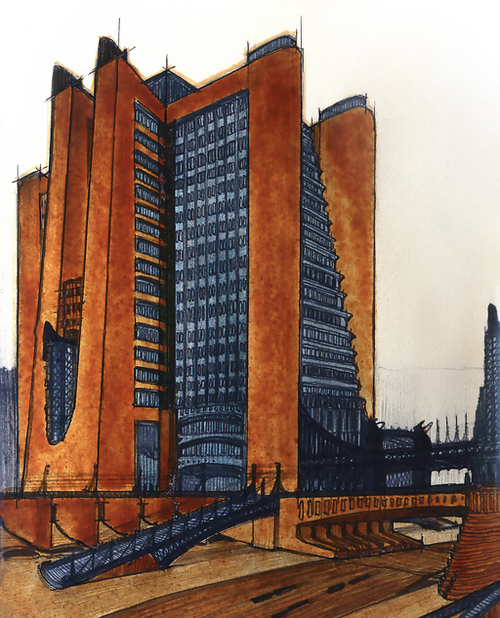
The architect Antonio Sant’Elia was another war casualty, though he did die in battle. His drawings were considered, for better or worse, very influential for architects and future-set designers in movies and the like.
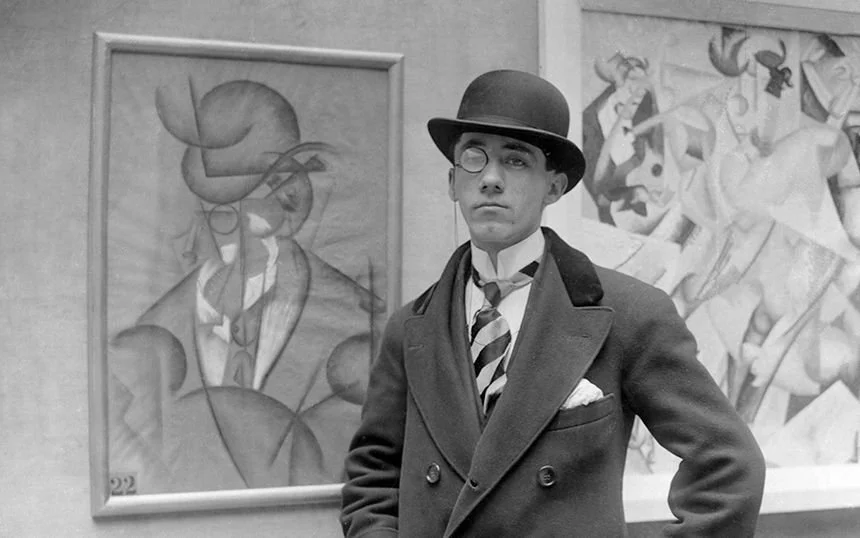
Gino Severini at the Marlborough Gallery during a 1913 exhibition. Gino did actually manage to live a full life, dying in 1966, aged 82. The art-focus segment can continue for quite some time, its worth looking at Giacomo Balla, Carlo Carra, and futurist-peripherals/Italian peers Giorgio Di Chirico, Fortunato Depero and Mario Sironi, as well as the “2nd-wave” of futurism: The Aeropittura movement